
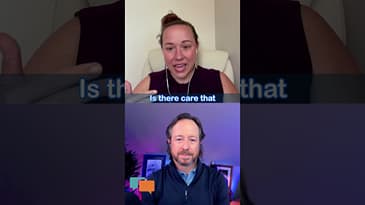
Sharon: "𝙏𝙝𝙖𝙩'𝙨 𝙩𝙧𝙖𝙪𝙢𝙖-𝙞𝙣𝙛𝙤𝙧𝙢𝙚𝙙 𝙡𝙚𝙖𝙙𝙚𝙧𝙨𝙝𝙞𝙥"
Sharon Podobnik Peterson boils trauma-informed leadership down to three questions:
1️⃣ 𝗔𝗺 𝗜 𝘀𝗮𝗳𝗲 𝗵𝗲𝗿𝗲?
2️⃣ 𝗗𝗼 𝗜 𝗺𝗮𝘁𝘁𝗲𝗿?
3️⃣ 𝗔𝗺 𝗜 𝗹𝗼𝘃𝗲𝗱?
Sharon, the founder of The Center for Conscious Leadership and the creator of the Trauma-Informed Leadership program, said when the answer to any of those is "no," our nervous systems shift from connection into protection.
And when someone's nervous system is busy protecting itself...
🚫 they are not able to connect
🚫 they don't have access to creativity, collaboration, or courage
🚫 they cannot do their best work
Everything, from engagement, to performance, to results, rests on a foundation of mutuality, respect, and connection.
Without those, we're just managing lists of work, we're not leading people.
I would add another that I learned from a manager years ago: 𝘿𝙤𝙚𝙨 𝙢𝙮 𝙗𝙤𝙨𝙨 𝙜𝙞𝙫𝙚 𝙖 *𝙗𝙚𝙚𝙥* 𝙖𝙗𝙤𝙪𝙩 𝙢𝙚?
That's the job.
Gallup says that 70% of variance in team engagement is based on the manager, and one of the core factors is whether an employee believes their manager cares about them as a person.
But you don't need the research to prove this. You've felt it.
The question is not whether this is true, it's what needs to be different so you can show up even more for your people to know they are cared for.
That's the whole job.
If this clip resonates with you, check out the full conversation with Sharon on the What Do You Know To Be True? podcast: https://www.youtube.com/watch?v=N2GMAyBTyEI&list=PLbWfh34FP_dUcAaCrI31z00_fLdphi6b7&index=3&t=16s
The full conversation is about recognizing that stress management and psychological safety start inside your own system before they ever show up in relation with colleagues. You'll leave with a clearer sense of what high functioning anxiety actually costs, how to attune to the regulational field in any room you walk into, and why leading well might come down to how willing you are to stay in connection when everything in you wants to protect.
*** Don't miss another episode - subscribe here: https://www.youtube.com/@WDYKTBT?sub_confirmation=1 ***
In this episode, Sharon answers the following questions:
• What is trauma?
• What is trauma informed leadership?
• How to not activate a trauma response in others?
• How to regulate my nervous system?
Resources mentioned in the episode:
• Sharon’s LinkedIn: https://www.linkedin.com/in/sharonpodobnik/
• The Center for Conscious Leadership: https://www.thecenterforconsciousleadership.com/
What Do You Know To Be True?" is an invitation to be inspired to become more of your possible self by discovering your superpower, unlocking your potential, and creating your impact in the world.
This podcast is for leaders, coaches, org development practitioners, and anyone who works with people who want to be inspired to discover their superpower, unlock their possibilities, and make meaningful impact in the world.
Want more info about What Do You Know To Be True?
➡️ Check out the channel: https://www.youtube.com/@WDYKTBT?sub_confirmation=1
➡️ Subscribe to the What Do You Know To Be True? newsletter to get insights into each conversation: https://rogerkastner.substack.com/
"What Do You Know To Be True?" is hosted by Roger Kastner, is a production of Three Blue Pens, and is recorded on the ancestral lands of the Duwamish and Suquamish people. To discover the ancestral lands of the indigenous people whose land you may be on, go to: https://native-land.ca/
Keywords
#nervoussystemregulation #traumainformedleadership #psychologicalsafety #emotionalregulation #consciousleadership #impostersyndrome #emotionalresilience #burnoutsymptoms #stressmanagement #coregulation